Tactical Legends Unleashed explores the enduring relationship between historic weapons and their modern tactical counterparts. Across cultures and centuries, blades were shaped by necessity—defined by their roles in war, survival, and daily life. In this series, we examine the origins of these legendary weapons, their purpose, and the traits that made them effective, before tracing how those same principles have been reinterpreted through modern materials, engineering, and design. From ancient short swords and agricultural tools turned weapons, to modern tactical blades built for today’s realities and collections, this compilation highlights what has changed—and what has never needed to.
______________________________________________________________________________________________________
Longsword
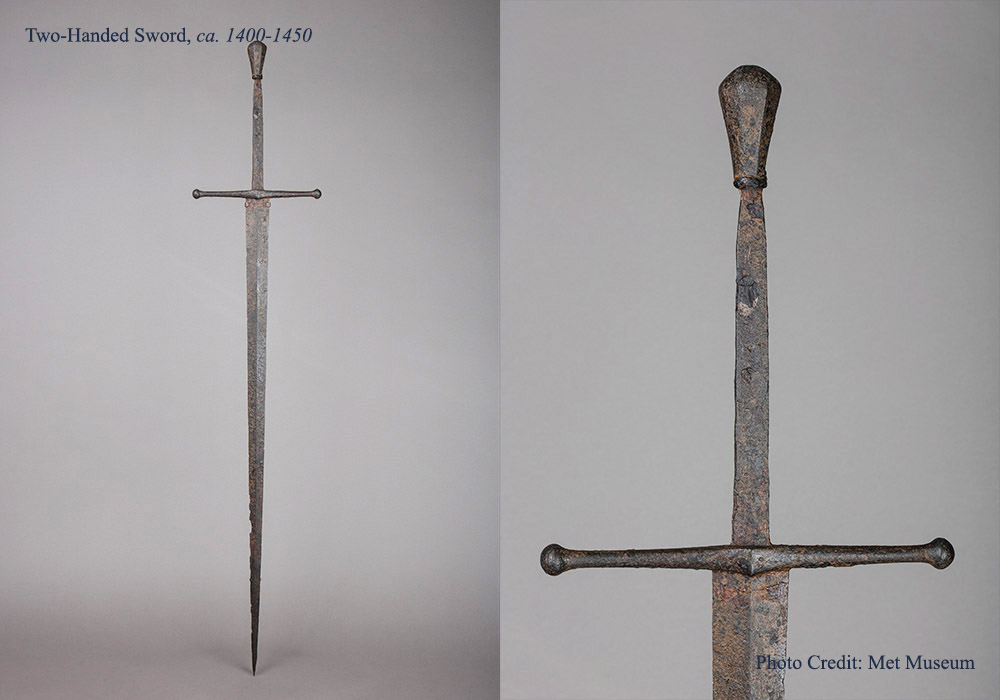
The longsword is one of Europe’s most iconic medieval weapons, defined by its long, straight double-edged blade and extended grip for two-handed use. Emerging between the 13th and 15th centuries, it evolved alongside improvements in armour and battlefield tactics. More agile than its size suggests, the longsword was effective for both cutting and thrusting, with techniques developed to counter armoured opponents. Used by knights, mercenaries, and civilians alike, it became a cornerstone of European martial traditions, preserved in detailed fencing manuals. Its legacy endures in historical fencing and modern reconstructions.
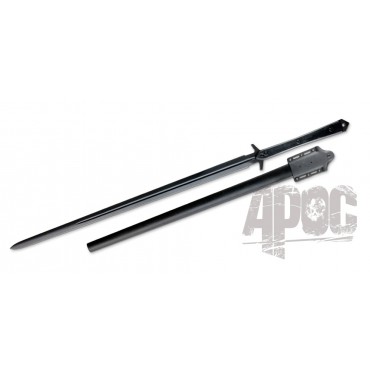
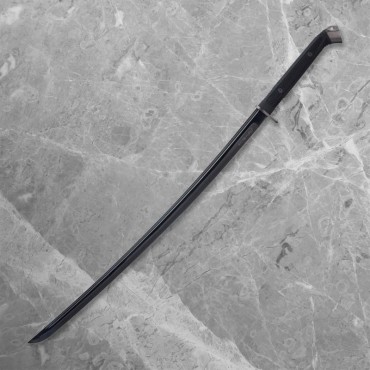
The APOC Survival Longsword strips away ornamentation and tradition, replacing them with function-first materials and modern carry solutions. The longer blade preserves the reach advantage of the classic longsword, while a lighter, reinforced build delivers speed, strength, and control. Modern sheathing and MOLLE compatibility reflect today’s realities: mobility, modularity, and survival.
Butterfly Swords
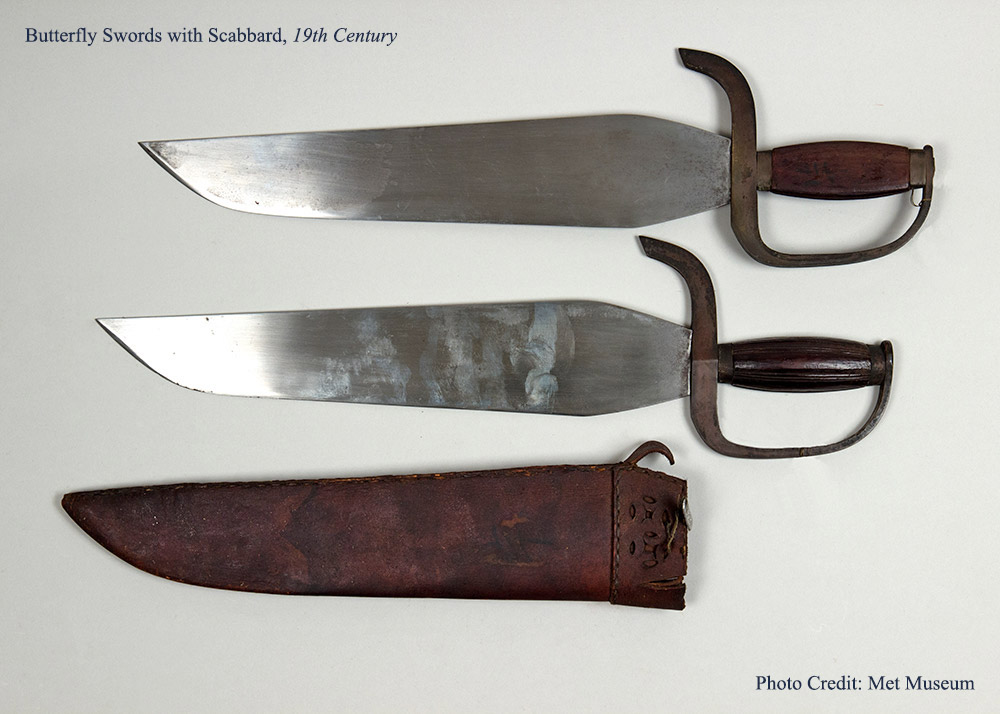
Butterfly swords, or hudiedao (蝴蝶刀), are traditional Chinese short swords with wide, single-edged blades, typically used in pairs. Originating in southern China, they were designed for quick, close-quarters combat, often in conjunction with martial arts training such as Wing Chun. The term “butterfly” refers to the light, fluttering motion of their paired use. Their design likely evolved from farming tools like machetes and cleavers, adapted for self-defense in urban environments. The cross-guard doubles as a hand protector and a hooking device, emphasizing both offense and defense in tight spaces.
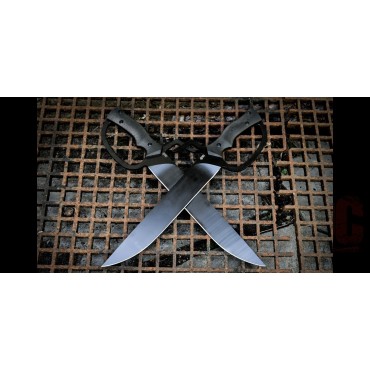
The APOC Butterfly Swords retain the mirrored twin-blade concept and compact profile that made the originals devastating up close. In place of ornamentation, modern 9260 spring steel, reinforced G-10 grips, and a MOLLE-compatible Kydex sheath prepare them for survival beyond civilisation.
Yataghan
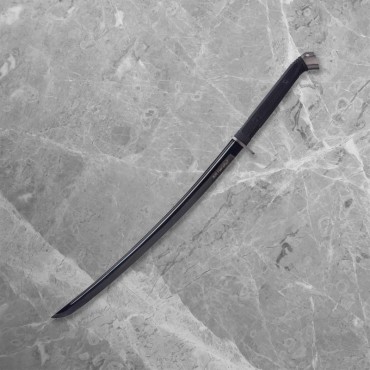
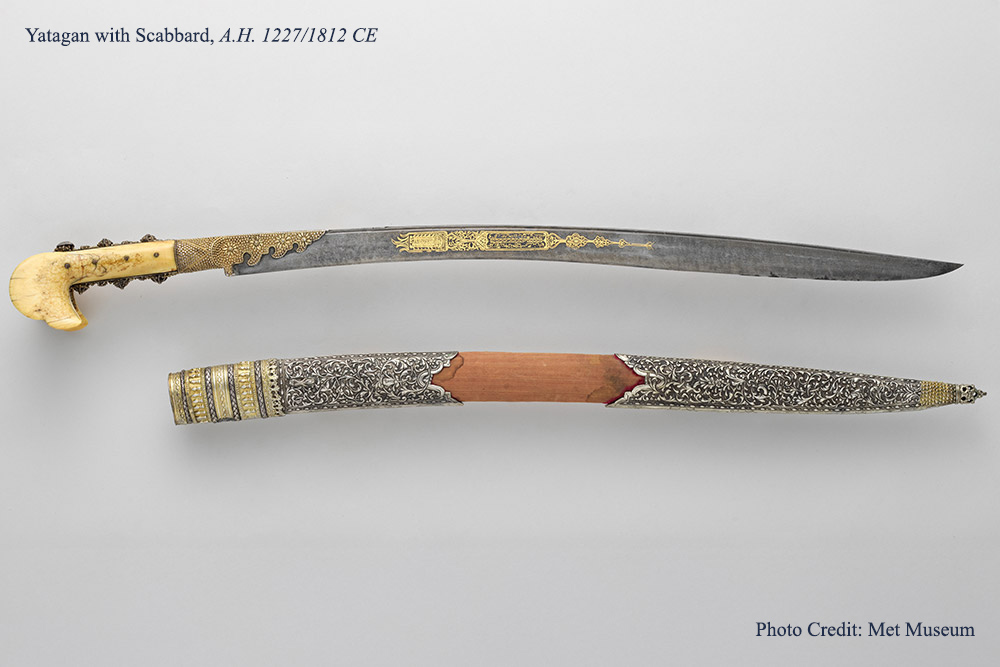
The yataghan is a distinct Ottoman-era sword with a slightly curved, single-edged blade and a forward-pointing hilt, often without a guard. The name comes from the Turkish yatağan, possibly referring to a large utility knife. Yataghan blades were used widely from the 16th to 19th centuries, favoured for their balance between agility and chopping power. Many yataghans were exquisitely decorated with inlaid metals or inscriptions, reflecting both personal status and regional craftsmanship. Its design is believed to be adapted from daily utility knives, demonstrating how functional objects can evolve into highly effective battlefield weapons.
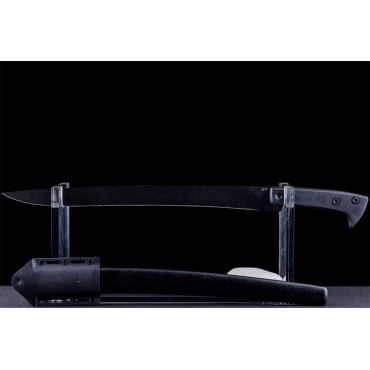
The APOC Survival Yataghan preserves the hallmark forward-weighted, recurved blade that made the original so effective with one hand. Ornamentation and tradition are stripped away, replaced by 9260 spring steel, a durable black oxide finish, and a rugged full-tang construction. Its length bridges the gap between knife and sword, giving reach without sacrificing control.
Viking Sword
The Viking sword, emblematic of Norse warriors between the 8th and 11th centuries, is a straight, double-edged blade optimized for both cutting and thrusting. Evolving from earlier seax knives and agricultural tools, it bridged the gap between utility and martial necessity. Viking swords were often symbolic, with ornate pommels, inscriptions, and pattern-welded blades showcasing wealth and craftsmanship. They were central to the Viking culture of raiding and warfare, where agility and durability were prized. This blend of practical function and artistry influenced sword-making across Europe for centuries.
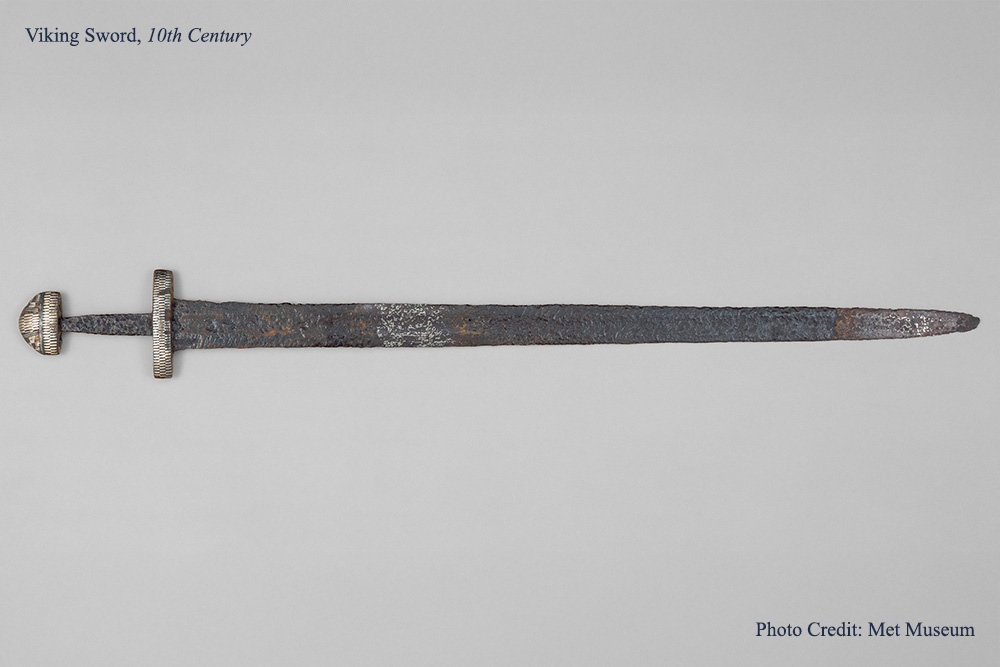
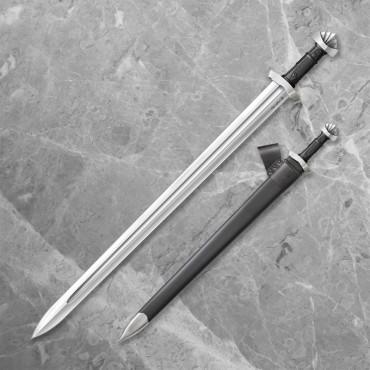
The Honshu Viking Sword retains the classic straight, double-edged blade profile and forward balance that defined Norse warfare. Traditional materials give way to modern 1060 carbon steel, precision heat treatment, and a durable textured grip that stays secure under stress. A streamlined hilt and reinforced scabbard bring contemporary functionality without losing the sword’s historic character. From shield walls to modern collections, the Viking sword endures because its purpose never changed: dependable steel, honest design, and the power to finish a fight.
Kukri
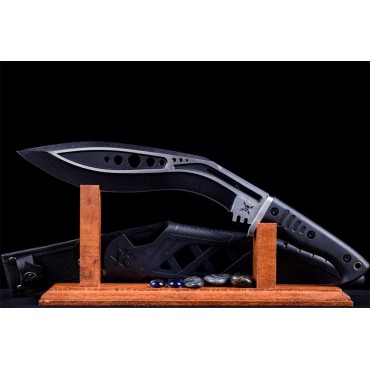
The kukri is the iconic curved knife of Nepal, recognized for its forward-angled blade and chopping ability. Originally a farming tool for cutting wood, meat, and crops, it was adapted into a weapon by the Gurkhas for both utility and combat. Its unique shape provides natural leverage for chopping and slicing, making it extremely effective in close combat. The kukri embodies the fusion of daily practicality and martial prowess, and it holds deep cultural significance in Nepalese society, often carried ceremonially and used to symbolize bravery and honour.
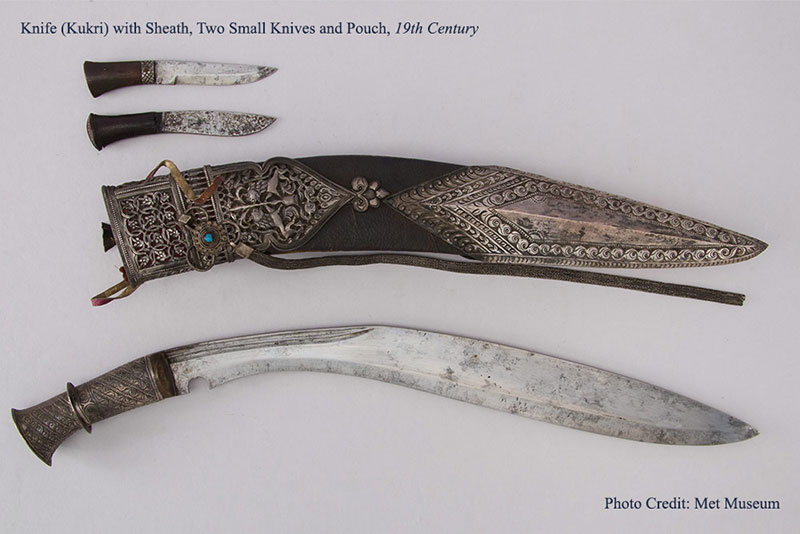
The M48 Tactical Kukri retains the iconic forward-curved blade that delivers powerful, efficient cuts with minimal effort. Traditional forging gives way to modern stainless steel construction, paired with a rugged, slip-resistant grip built for extended use in harsh conditions. A reinforced tactical sheath replaces simple leather, reflecting modern needs for durability and secure carry.
Sgian-dubh
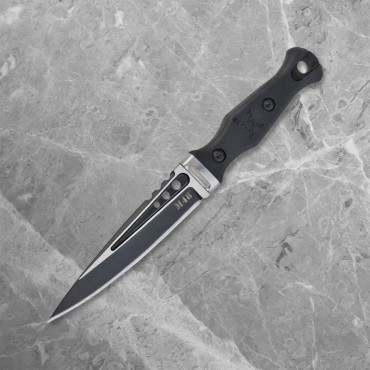
The sgian-dubh, literally “hidden knife” in Scottish Gaelic, is a small, single-edged knife traditionally worn tucked into the sock as part of Highland dress. Its roots trace to everyday utility knives, used for cutting food, wood, or cord. Over time, it was adapted for self-defense and ceremonial purposes, often featuring intricate engraving or silver fittings to denote family heritage or rank. While compact, the sgian-dubh embodies both practicality and tradition, representing a bridge between everyday tool and personal protection.
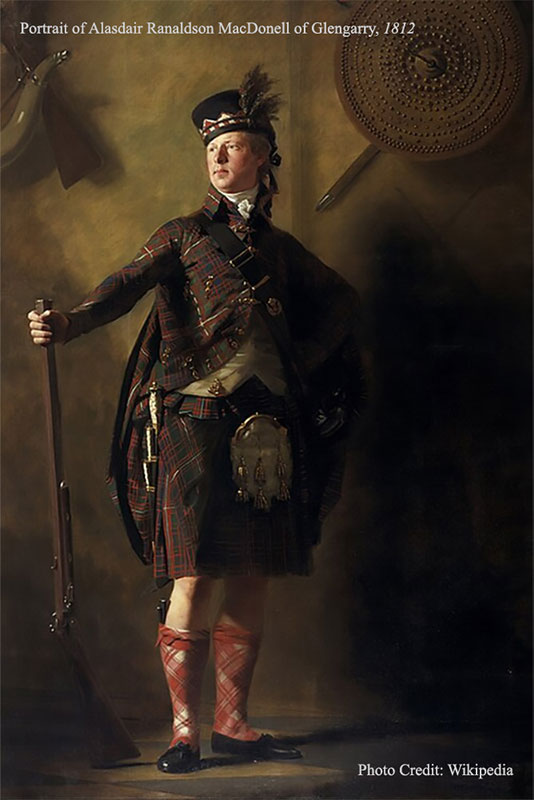
The M48 Highland Sgian preserves the dagger’s compact profile and last-resort function, designed for situations where space is limited and speed matters. Heritage materials are replaced with modern stainless steel, a non-reflective coating, and an ergonomic TPR grip built for control under stress. A rugged tactical sheath ensures secure, accessible carry beyond ceremonial wear.
Khopesh
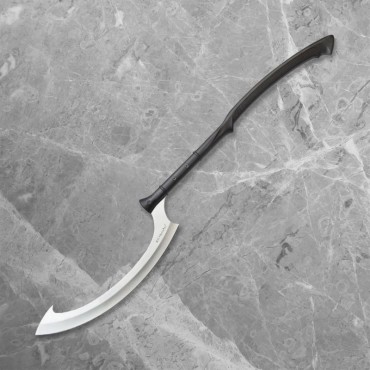
The khopesh is a sickle-shaped sword from Ancient Egypt, combining the chopping ability of agricultural sickles with the utility of a combat weapon. Its name, likely from the Egyptian khepesh, emphasizes the curved, hook-like design. Used from around 2500 BCE onward, khopeshes were effective in slashing, hooking shields, and striking opponents. They symbolize the evolution of tools into specialized military equipment and were often richly decorated, reflecting status and ceremonial importance alongside battlefield function.

The Honshu Khopesh preserves the iconic forward-curved blade that made the original effective at slashing and pulling, while replacing ceremonial bronze with modern stainless steel and a durable, impact-resistant grip. A contemporary construction and secure blade cover bring practicality to a form once reserved for royalty and warfare. Millennia removed from the age of pharaohs, the khopesh still answers the same need: leverage, control, and decisive cuts. When form follows function, even ancient designs remain tactically relevant.
Xiphos & Kopis
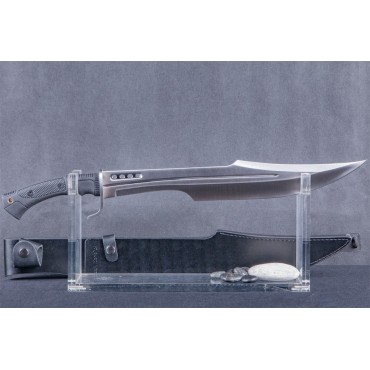
In ancient Greece, warfare demanded weapons tailored to both formation and mobility. The xiphos emerged as a reliable, short, double-edged sword for infantry. With an average blade length under two feet, it excelled in close combat, particularly when the spear—the primary weapon of hoplites—broke or became impractical within a phalanx. Its compact design allowed for quick thrusts and slashes in tight spaces, making it a staple of Greek foot soldiers.
In contrast, the kopis offered a different solution. Its forward-curving, single-edged blade provided powerful chopping strikes, particularly suited to cavalry, where momentum could be harnessed to deliver devastating cuts. The kopis’ design also echoes agricultural tools, demonstrating a practical evolution from utility to warfare.
Together, the xiphos and kopis highlight Greek innovation in weaponry: one prioritizing precision and control, the other force and reach. Both show how design adapted to strategy, environment, and the realities of war, leaving a lasting legacy on the development of swords across the Mediterranean.
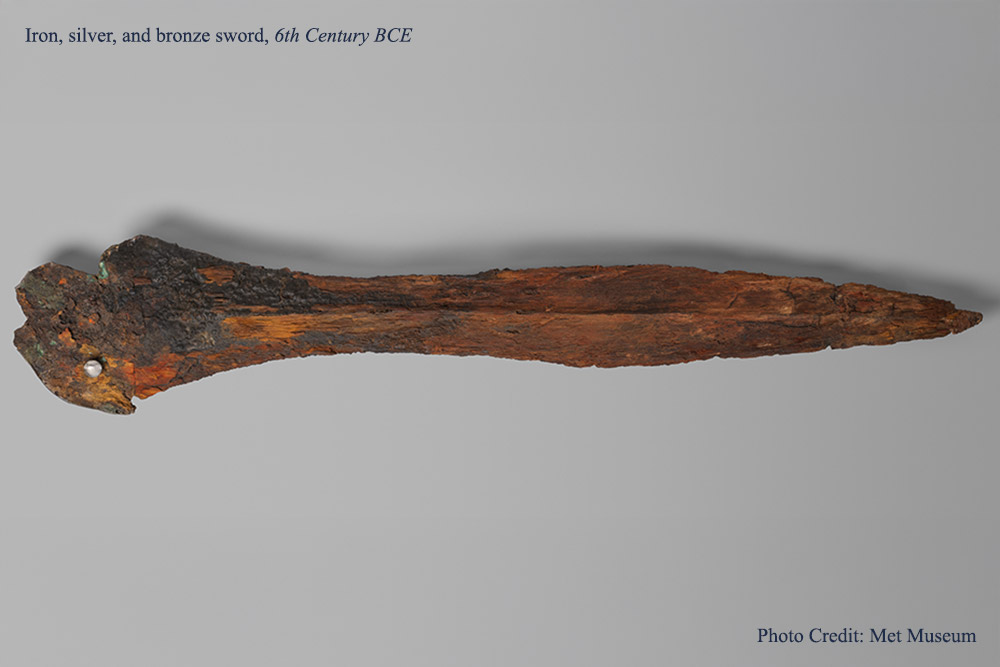
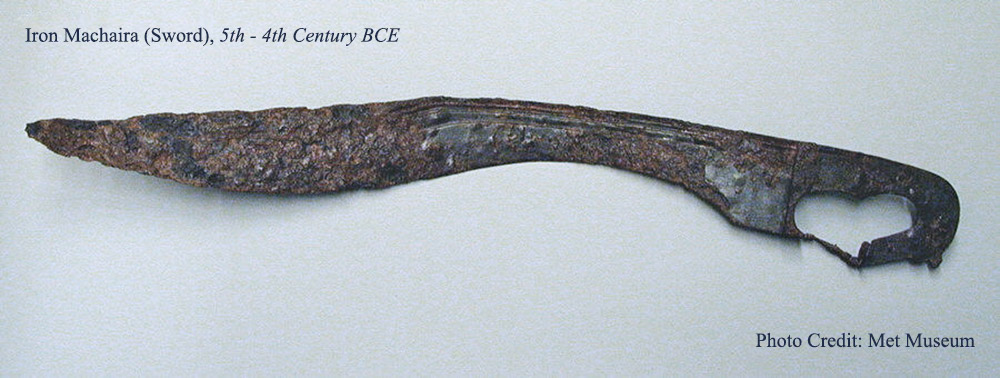
The Honshu Spartan Sword preserves the compact, cutting-focused profile and balance that made these swords effective, while incorporating modern 7Cr13 stainless steel, weight-reducing thru-holes, and an ergonomic, textured handle for control under stress. A reinforced guard and leather sheath make carry and deployment practical for modern tactical use.
Close-range combat still demands speed, precision, and decisive force—qualities that endure in the Spartan Sword, connecting ancient design with modern performance.
Cutlass
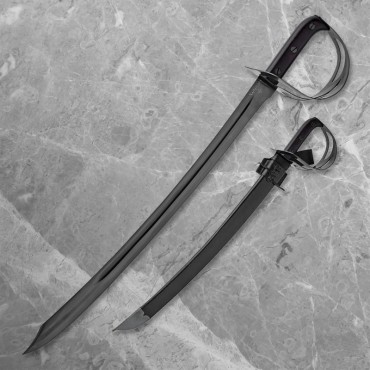
The cutlass is a short, slightly curved, single-edged sword widely associated with sailors and pirates. Its origin lies in agricultural machetes used for clearing brush and cutting crops, adapted for naval boarding and close-quarters combat. Its wide blade and robust spine allowed sailors to cut ropes, swing from ship railings, and strike with maximum force. While practical and straightforward, cutlasses were often highly decorated among privateers and naval officers, demonstrating the duality of functional design and personal expression. The cutlass remains a symbol of maritime history and adventure.
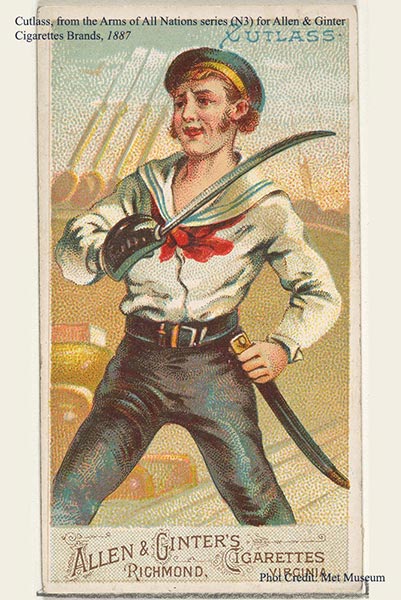
The Honshu 1917 Hybrid Cutlass preserves the compact blade length and slashing efficiency that defined naval combat, while introducing a reinforced basket-shaped guard for superior hand protection and modern control. Traditional materials give way to black carbon steel, a solid wood grip, and a robust leather sheath designed for secure carry.
The cutlass endures because its purpose is timeless: reliable steel, protected hands, and decisive cuts where space is limited. Some tools never lose relevance—they only adapt.
Kama
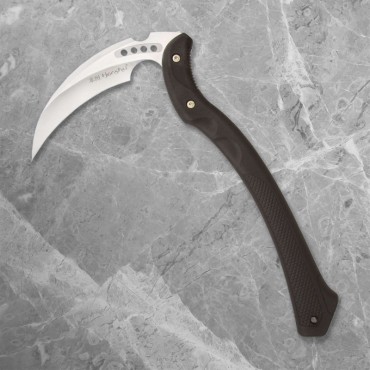
The kama is a traditional Japanese farming sickle, originally used to harvest rice. Over time, it was adapted into a martial arts weapon, emphasizing agility, hooking, and precision strikes. The word kama simply means “sickle.” In martial applications, it is often paired or used in combination with sticks or other kama, showcasing how humble tools were refined into effective self-defense weapons. Its evolution highlights a recurring theme in weapon history: practical, everyday implements shaping the development of martial culture.

The Honshu Karito Kama retains the compact, forward-curved blade profile that made the original effective in close combat, whether wielded singly or in pairs. Traditional materials give way to modern stainless steel, a full-tang construction, and a textured, ergonomic handle designed for control and retention. A durable sheath replaces improvised carry, reflecting modern tactical needs. The kama endures because efficiency, speed, and adaptability never go out of style.
Gladius
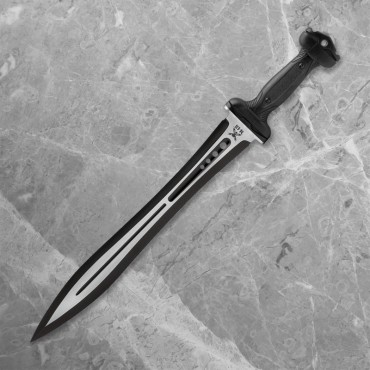
The gladius was the primary sword of Roman legionaries, designed for stabbing in tightly packed formations. Its name derives from Latin gladius, simply meaning “sword.” Short, double-edged, and highly manoeuvrable, the gladius evolved from Celtiberian swords and practical farm blades, optimized for thrusting rather than slashing. This weapon became central to Roman military doctrine, enabling disciplined infantry to dominate in formation combat. Over time, variations such as the Mainz and Pompeii gladius introduced subtle changes in length and tip design, reflecting battlefield experience and Roman engineering ingenuity.
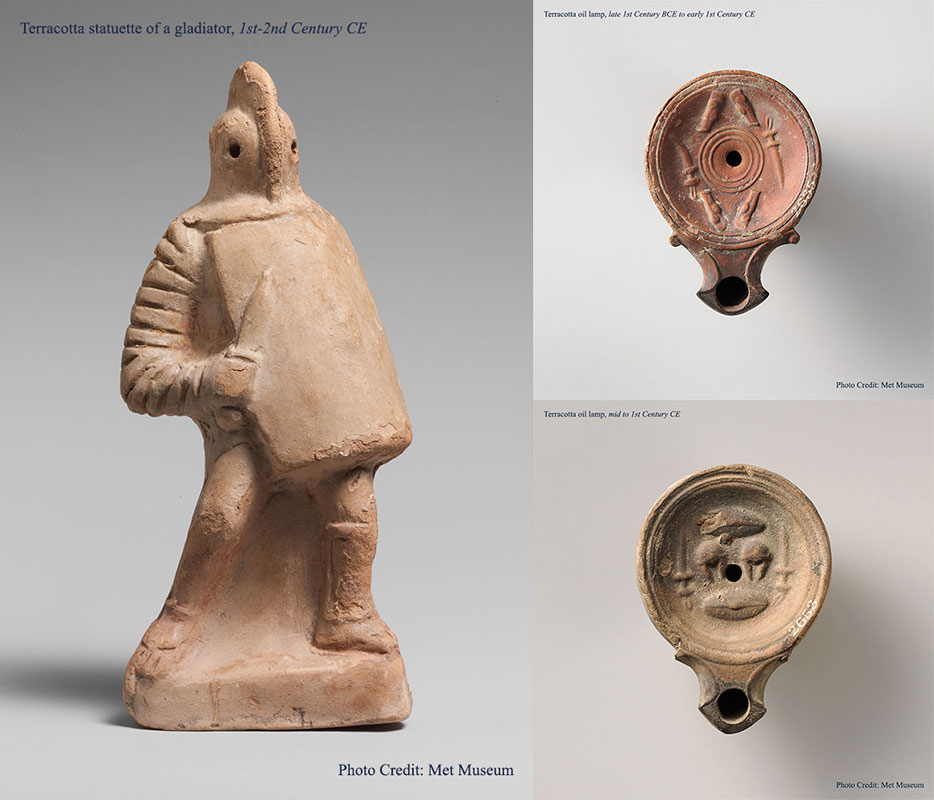
The M48 Gladius Sword preserves the compact length and thrust-focused profile that defined Roman battlefield dominance. Ancient forging is replaced with modern stainless steel, weight-reducing features, and an ergonomic, textured grip for control under stress. A low-profile guard and secure tactical sheath reflect modern carry needs without compromising function.
Japanese
Japanese blades like the katana (long), wakizashi (medium), and tanto (short) evolved from early tachi swords and agricultural tools such as rice-cutting knives. They were refined for samurai dueling, battlefield effectiveness, and ceremonial use. The katana is famed for its curved, single-edged design, allowing powerful slashing strikes; the wakizashi complements it as a sidearm; and the tanto serves as a compact knife for stabbing or close defense. Collectively, these swords reflect Japanese craftsmanship, philosophy, and martial tradition, where aesthetics and function are inseparable.
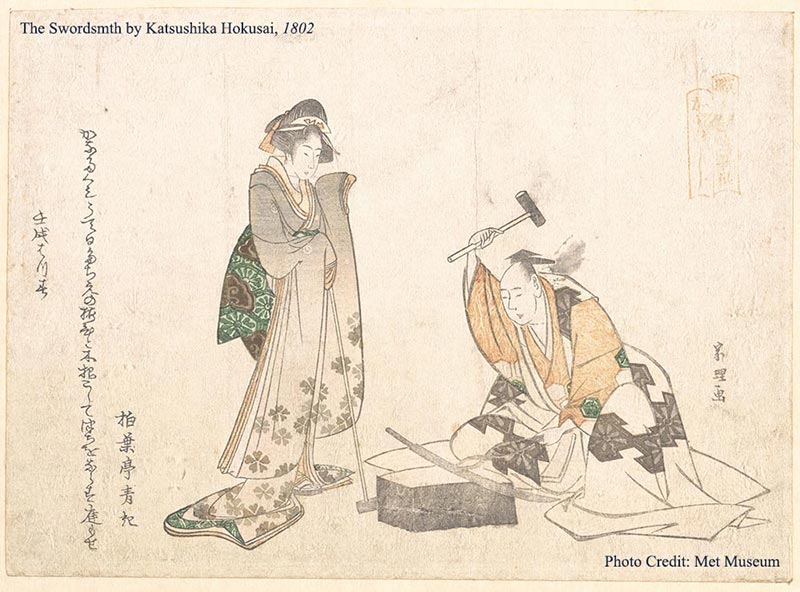
The Honshu Midnight Forge Katana and Wakizashi preserve the role and relationship of the daishō, maintaining reach, balance, and cutting authority. In place of ornate fittings and ritual formality, they adopt modern materials, tactical ergonomics, and precision balancing. A folded high-carbon steel blade delivers performance, while textured grips and streamlined guards prioritise control and function.
______________________________________________________________________________________________________
The story of these blades is not one of destruction, but of design shaped by necessity. Each weapon featured reflects how form, function, and environment influenced innovation across time, and how those same principles continue to inform modern craftsmanship. Tactical Legends Unleashed is intended to celebrate the evolution and reinterpretation of traditional weapons—their history, engineering, and cultural significance. It is not an endorsement of violence, but an exploration of how historic designs endure, adapt, and remain relevant through thoughtful, responsible craftsmanship.