A Brief Journey Through Historical Firearms – From Flintlocks to Frontiers
At CAESARS, we’ve long appreciated the artistry and innovation behind historical weapons — and few collections embody that spirit quite like the replica firearms from Denix. While we often showcase individual pieces, this article brings together a broader view: a brief exploration of the eras, functions, and evolving designs of firearms and weaponry from the 18th and 19th centuries.
The Age of Sail and Close Combat
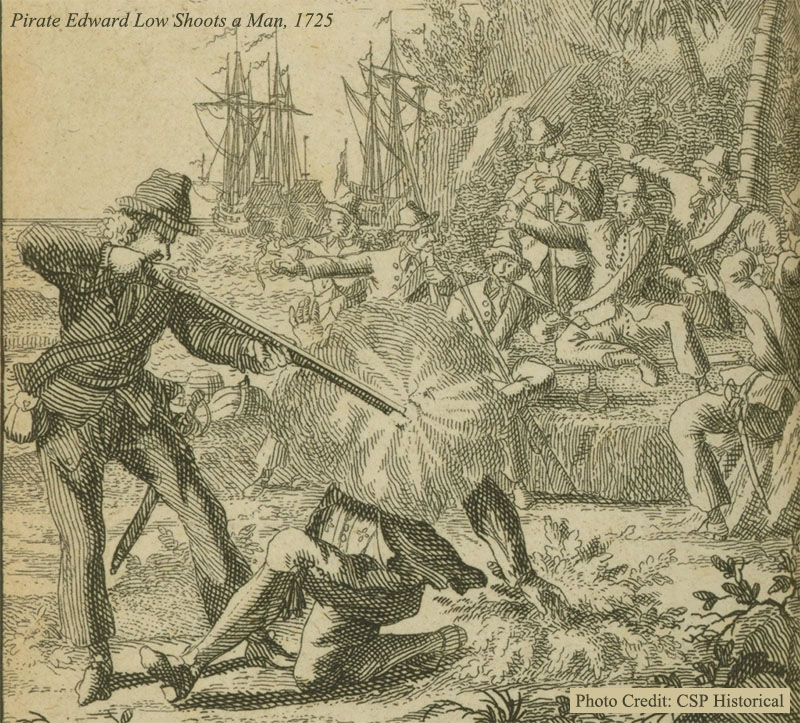
In the 18th century, seafaring was not just a matter of navigation — it was a theatre of conflict. Pirates, privateers, naval officers, and merchant guards all relied on firearms built for swift, close-quarters combat. These weapons were typically compact and straightforward, designed for quick access during boarding skirmishes or duels below deck. Their ruggedness and practicality made them indispensable tools on the high seas.
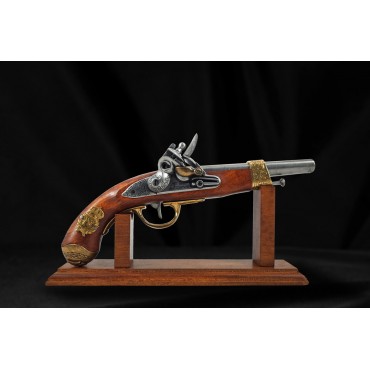
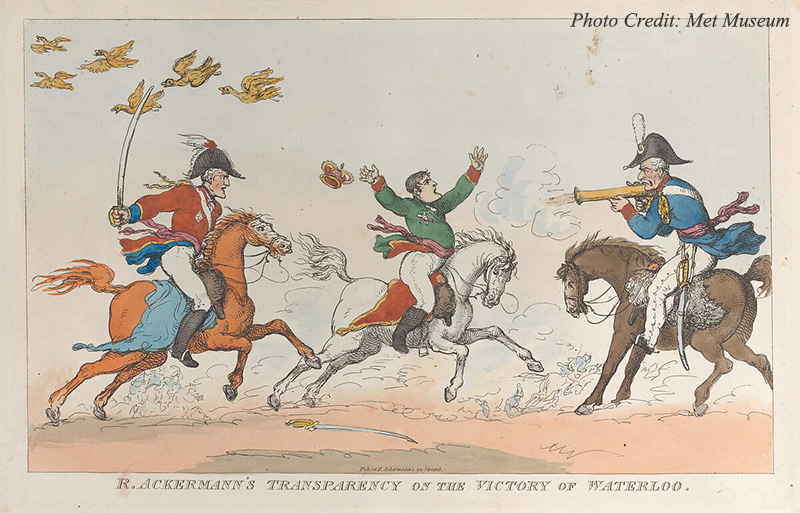
The Napoleonic Era: Weapons of War and Prestige
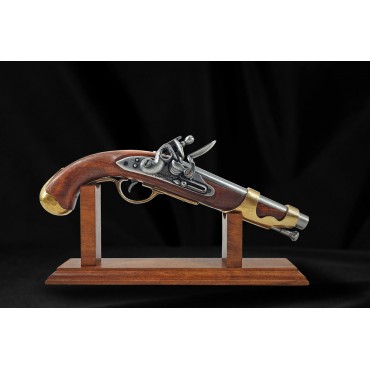
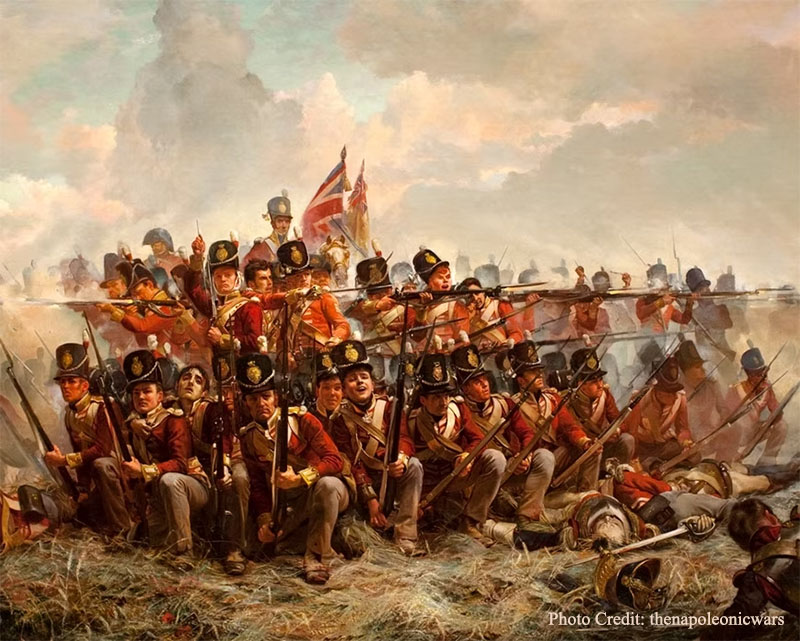
The Napoleonic Wars (1803–1815) transformed not only military tactics but also the firearms carried into battle. Muskets and pistols from this period were issued to soldiers and officers across Europe, reflecting the balance between mass production and emerging military doctrine. Sidearms also served a ceremonial role for officers — tools of defense, but also symbols of rank and authority within the chain of command.
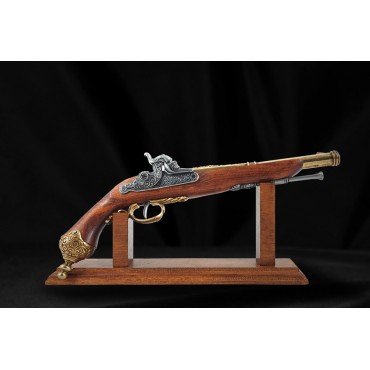
Craftsmanship and Dueling in the 18th Century
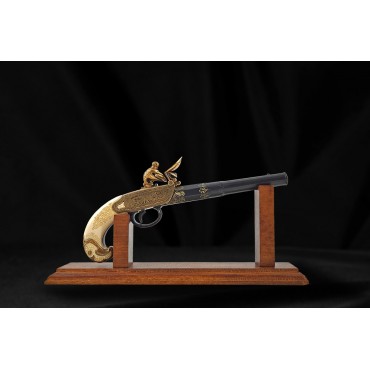
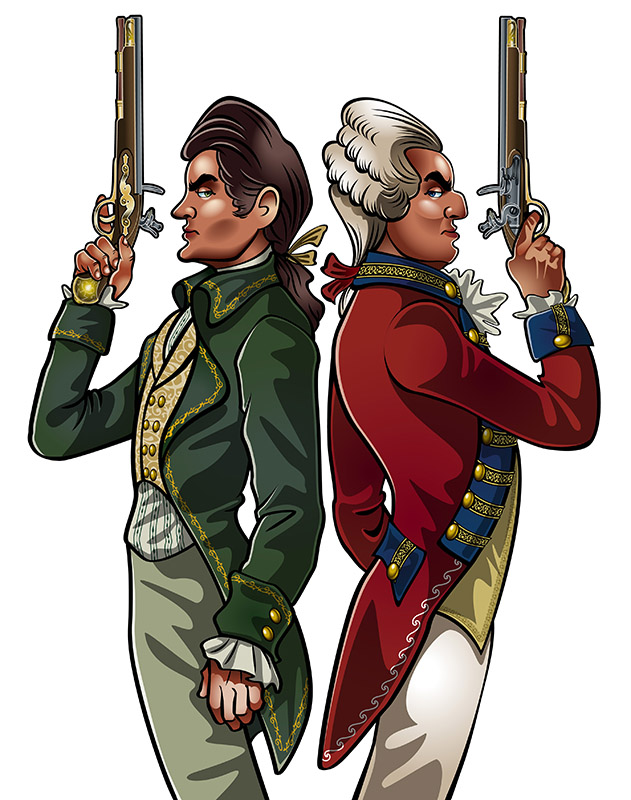
Beyond the battlefield, firearms often reflected the personal identity of their owners. Dueling pistols and officer sidearms were frequently handcrafted with intricate designs, fine materials, and elegant forms. These pieces were as much status symbols as they were functional weapons, often presented as gifts or heirlooms, embodying the artistry and prestige of the age.
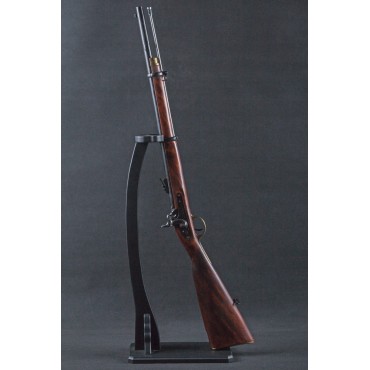
Muskets and Carbines in Line Formations
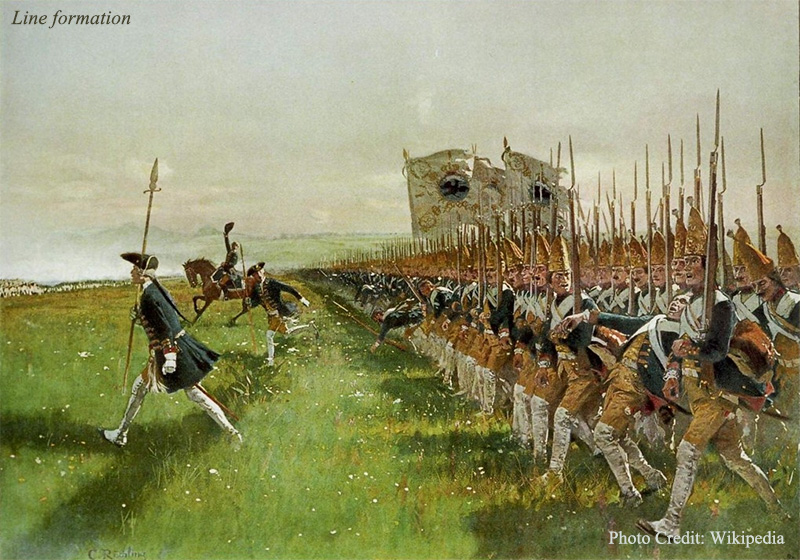
From European battlefields to colonial outposts, long guns such as muskets and carbines were the backbone of infantry forces. In the 18th and 19th centuries, soldiers fought in disciplined line formations, delivering volleys of fire in carefully timed sequences. The design of these weapons prioritized range and reliability over speed, shaping the tactics of warfare in a time before repeating rifles became widespread.
Innovation in Firepower: Multi-Barrel Designs
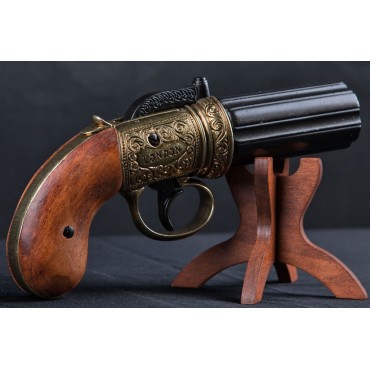
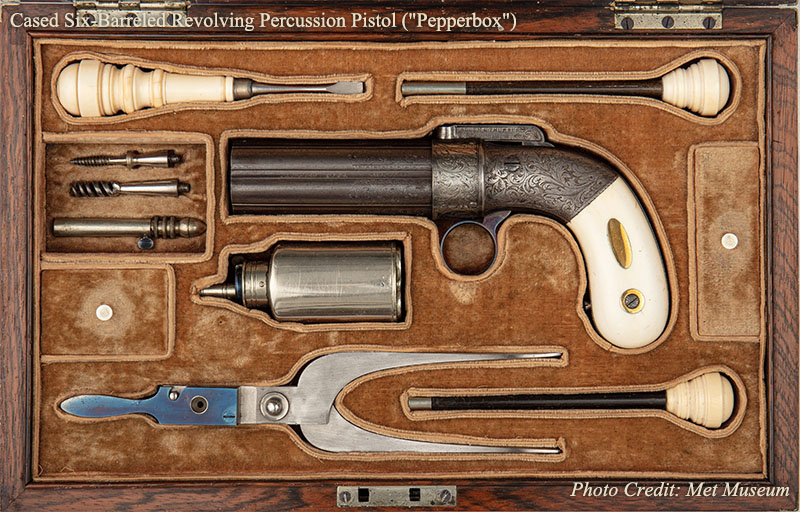
As gunsmiths looked for ways to increase firepower, the 18th and 19th centuries saw the rise of inventive multi-barrel pistols. Designs like pepperboxes, double-barrel, and triple-barrel pistols aimed to offer multiple shots before reloading — a significant advantage in an age where speed could determine survival. Though often complex and heavy, these experimental arms marked an important transition in firearm development.
The Frontier Spirit: Kentucky Rifles and Deringers
In early America, survival often depended on practical, dependable firearms. The Kentucky Rifle, with its long barrel and accuracy, became iconic among settlers and hunters. Meanwhile, compact Deringers offered discreet self-defense for travelers and townsfolk alike. These weapons captured the frontier spirit — rugged, reliable, and ready for the unknown.
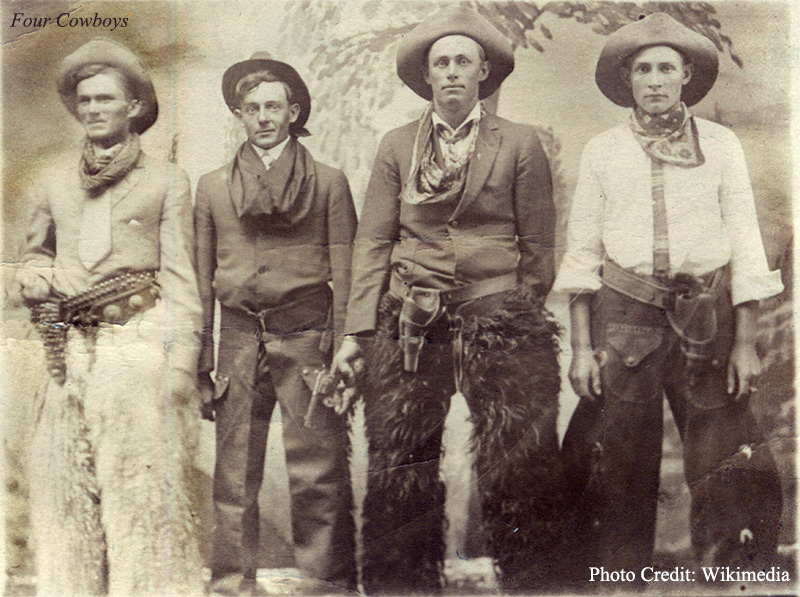
Sidearms: Symbols of Function and Status
Sidearms have long held a dual purpose. On one hand, they were personal weapons for self-defense, especially for officers and nobles. On the other, they were often symbolic — elaborately styled and worn as visible markers of rank, ceremony, or societal standing. Their craftsmanship ranged from purely utilitarian to richly ornamental, depending on the context in which they were used.
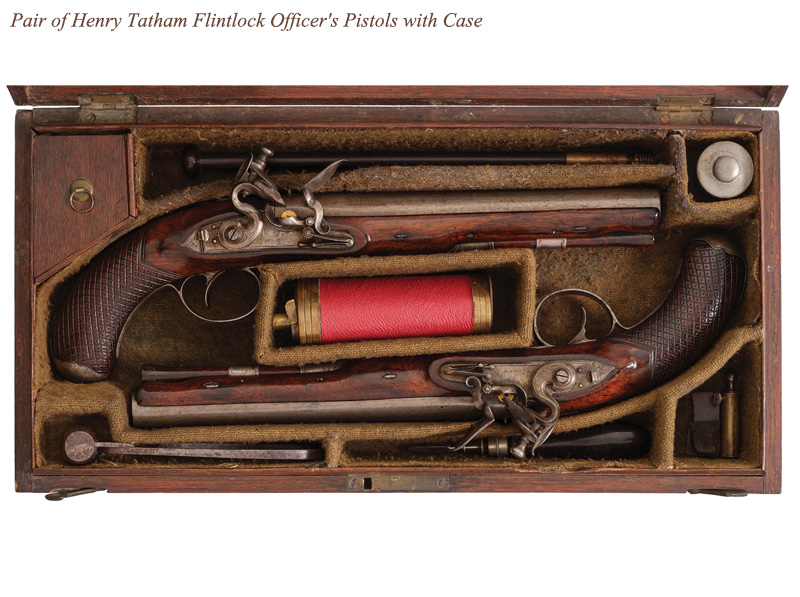
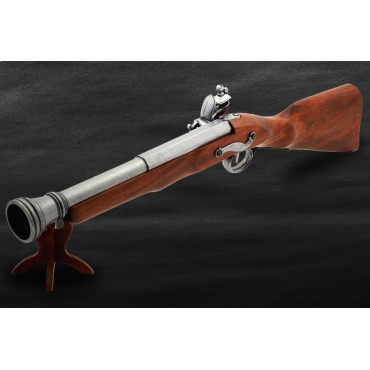
The Blunderbuss: Power at Close Range
With its wide, flared muzzle and fearsome reputation, the blunderbuss was designed for maximum impact at close quarters. It was commonly used by naval forces during boardings, by guards protecting carriages, and even by early law enforcement. Loaded with shot or scrap metal, it didn’t require precise aim — just devastating presence and stopping power.
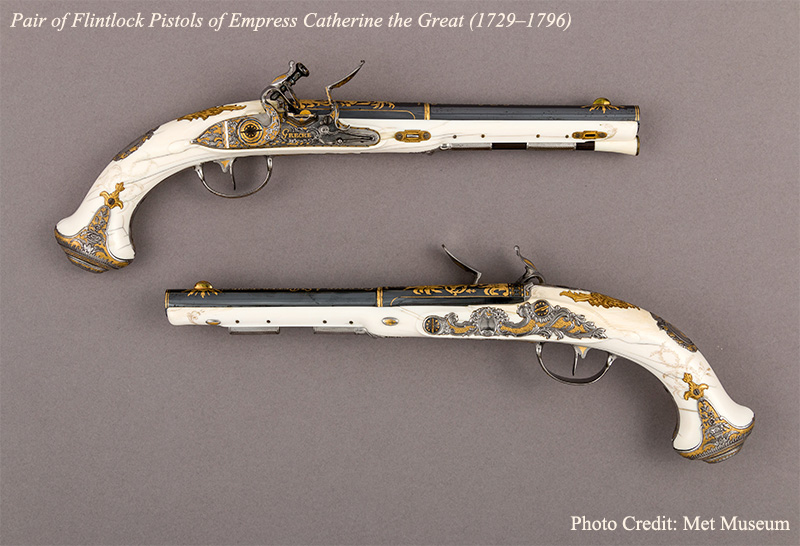
Flintlocks Across Europe
Throughout the 18th century, flintlock pistols were standard issue across Europe. The basic firing mechanism was similar across nations, but regional styles and traditions gave each piece a unique identity. Whether shaped by French elegance, Italian artistry, or British pragmatism, flintlocks served as both battlefield tools and cultural artifacts, capturing the spirit of the regions from which they came.
Weapons Beyond the Battlefield
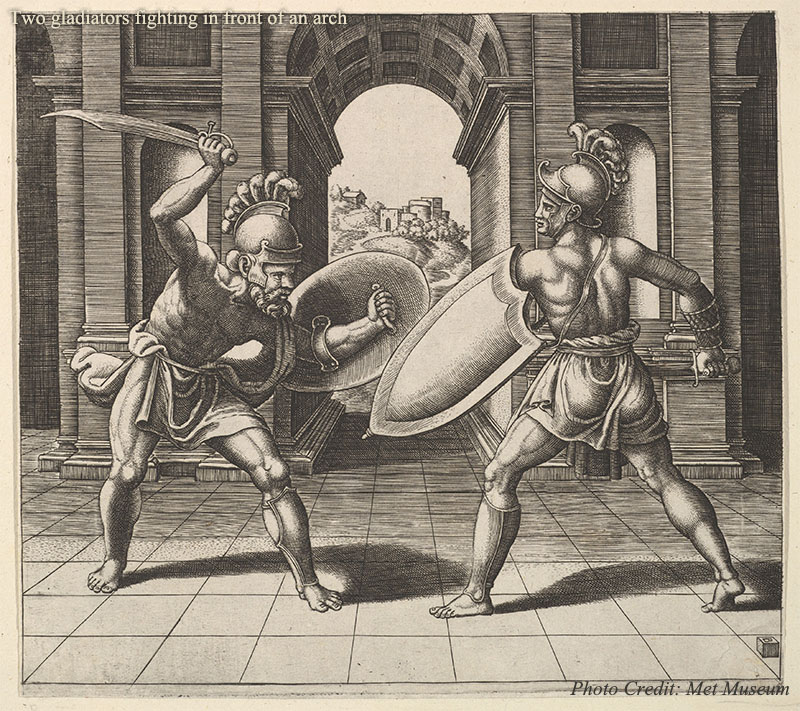
While firearms form the core of many historical collections, Denix also recreates a wide range of unique pieces that go beyond the battlefield. From daggers and gladiator swords to ceremonial-style hangers — like those bearing the Fleur-de-lys — these replicas highlight the diverse ways weapons have played roles in society, ceremony, and symbolism. They enrich any collection with a broader look at how arms and artistry have intersected across centuries.
Discover the Collection
Every piece in the Denix replica collection tells a story — not just of technology and war, but of culture, craftsmanship, and human ingenuity. Whether you're a collector, history enthusiast, or simply curious about the evolution of arms, our Denix range offers a rich, accessible way to connect with the past.
Explore the collection in-store or online here and bring a piece of history home.