A knife is more than just a blade; what lies beneath the handle is just as crucial to its strength, function, and reliability. Whether it’s a sturdy fixed blade or a practical folding knife, the structure inside the handle determines its durability, balance, and safety. Today, we take a closer look at knife tangs (for fixed blades) and locking mechanisms (for folding knives)—two fundamental elements that shape how a knife performs in real-world use.
Fixed Blades: The Backbone of Strength – Knife Tangs
In a fixed blade, the tang is the unsharpened portion of the blade that extends into the handle. A well-designed tang enhances the knife’s strength, balance, and longevity. Different tang types offer varying levels of durability and weight distribution, making them suited for different tasks.
1. Full Tang – Maximum Strength
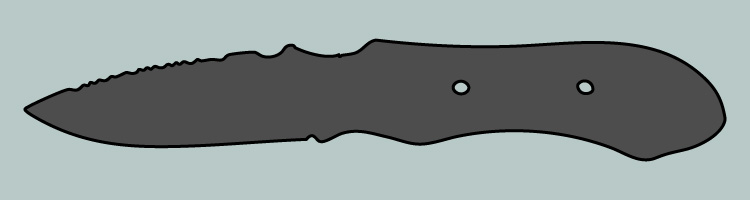
A full tang extends through the entire length and width of the handle, making it the strongest and most durable option. This design ensures optimal weight distribution and resilience, making it ideal for survival, outdoor, and heavy-duty cutting tasks.
2. Skeletonised Tang – Strength with Reduced Weight
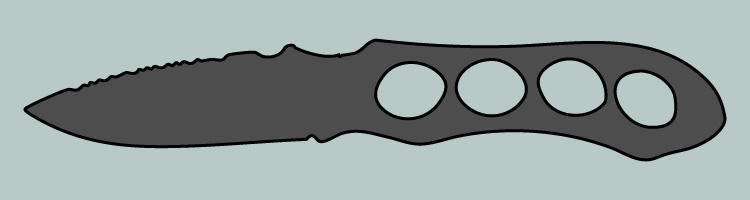
A variation of the full tang, a skeletonised tang has sections of material removed to reduce weight while maintaining strength. This tang is perfect for those who want a lighter knife without compromising much on durability.
3. Partial Tang – Lightweight and Practical
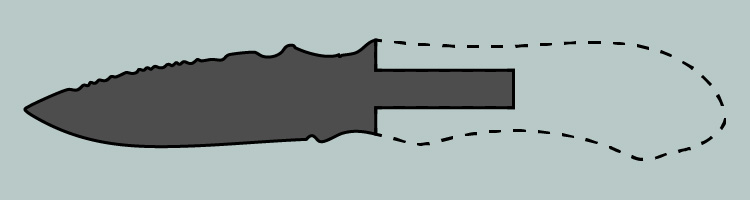
A partial tang extends only partially into the handle, which reduces weight but sacrifices some strength. These knives are better suited for lighter tasks like food prep or utility work.
4. Narrowing Tang – A Balance of Strength and Weight
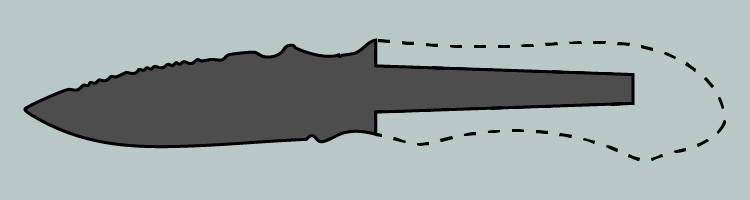
This type of tang tapers as it extends into the handle, maintaining decent strength while offering a more comfortable grip. It’s commonly found in fine-edged knives that require agility.
5. Stick Tang (Rat-Tail Tang) – Traditional and Elegant
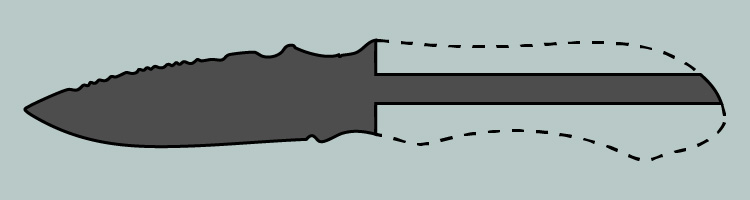
A stick tang is a narrow rod-like extension of the blade, often encased within a handle. While not as strong as full tang designs, it allows for elegant, traditional handle designs and is common in historical or decorative knives.
Folding Knives: The Art of Security – Locking Mechanisms
The locking mechanism plays a crucial role in safety, stability, and overall performance. Whether you're using it for everyday tasks or outdoor adventures, a reliable lock ensures the blade stays secure when in use and folds away safely when needed. Different mechanisms offer varying levels of strength and convenience, each with its own unique feel and function. Understanding how they work not only enhances your knife-handling experience but also helps you choose the right tool for the job. After all, a good lock is what makes a great folding knife truly dependable.
1. Liner Lock – Simple and Effective
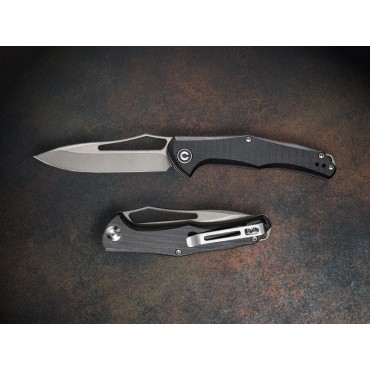
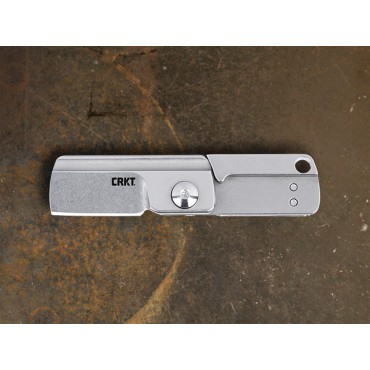
A staple in modern folding knives, the liner lock provides a simple yet reliable one-handed operation. The spring-loaded liner moves to hold the blade in place, offering a seamless blend of strength and ease of use.
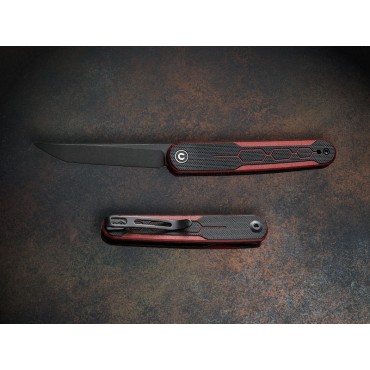
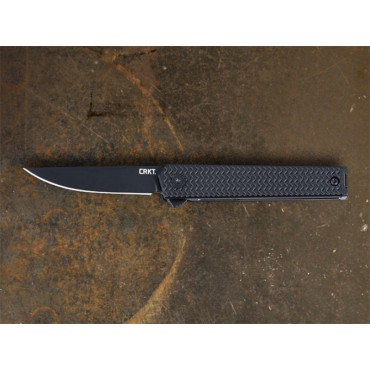
Example: CIVIVI KwaiQ | CRKT CEO Microflipper | Artisan Ravine
2. Frame Lock – A Stronger Alternative
An evolution of the liner lock, the frame lock uses part of the handle itself to secure the blade. This design not only enhances stability but also gives the knife a solid, rugged feel—perfect for those who appreciate robust functionality.
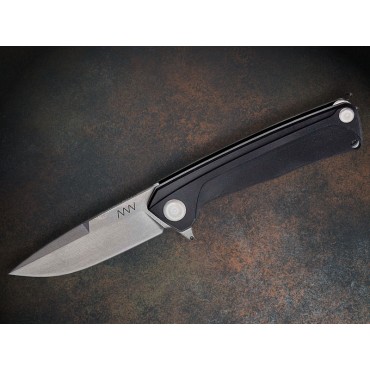
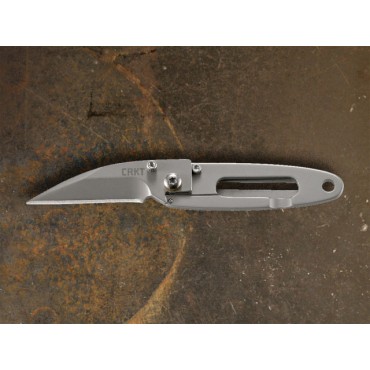
Example: Acta Non Verba Z100 | CRKT PECK
3. Compression Lock – Strength with Simplicity
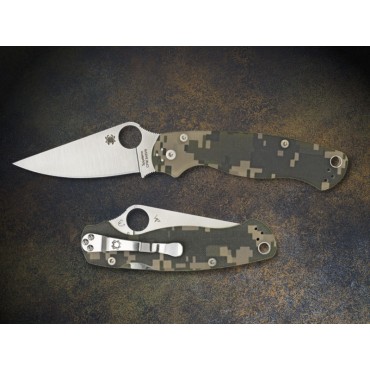
A refinement of the liner-style mechanism, Spyderco’s compression lock places the locking mechanism on the spine of the handle, keeping fingers clear from the blade’s path. It’s a balance of strength and intuitive operation, making it a favorite among enthusiasts.
Example: Spyderco Para Military 2
4. Lockback – Classic and Reliable
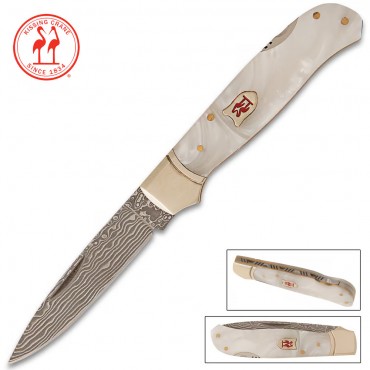
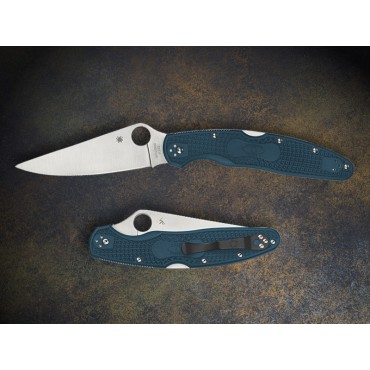
With a classic spine-mounted locking bar, the lock back mechanism provides time-tested security. While it requires two hands to close, this deliberate action adds to the charm, embodying a sense of tradition and reliability.
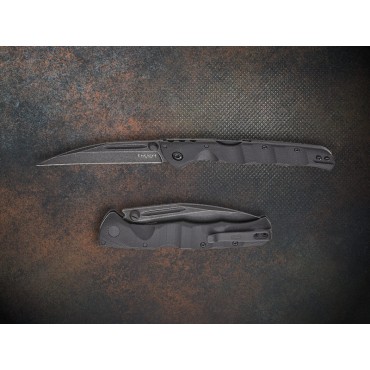
Example: Kissing Crane Limited Lockback | Spyderco Police K390 | Cold Steel Frenzy II
5. Slip Joint – The Charm of Tradition
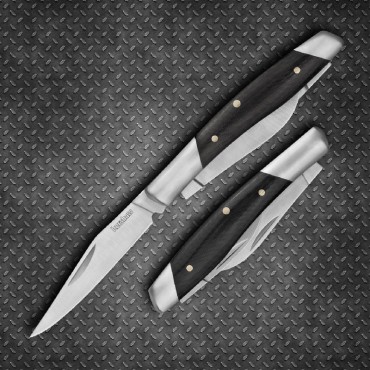
A nod to traditional pocket knives, slip joint mechanisms rely on tension rather than a locking system. While it doesn’t "lock" in place, its smooth, mechanical simplicity carries a timeless appeal, making it a favourite for collectors and those who enjoy a non-restrictive cutting experience.
Example: Kershaw Iredale | Civivi Fracture | CRKT Box Key
Conclusion – The Hidden Mechanics Behind Every Knife
Whether you prefer a fixed blade for its unshakable strength or a folding knife for its versatility, what goes between the handle plays a defining role in how a knife performs. Tang construction determines the durability of a fixed blade, while locking mechanisms ensure a folding knife is safe and reliable. Understanding these elements not only helps in choosing the right tool but also deepens one’s appreciation for the craftsmanship behind every knife.
At the end of the day, the best knife is the one that fits your needs—inside and out.