Spanning parts of Southeast Europe, Western Asia, and North Africa, the Ottoman Empire (1299–1923) was one of the most influential empires in history. At its peak, it stretched from the Balkans to the Arabian Peninsula, and from North Africa to the Caucasus. Within this vast territory, the Ottomans developed a rich martial tradition, with swords becoming both practical tools of war and symbols of authority and artistry.
The Ottoman Empire is particularly known for its exquisite swords, with two types standing out:
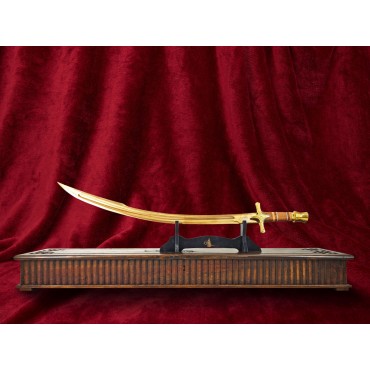
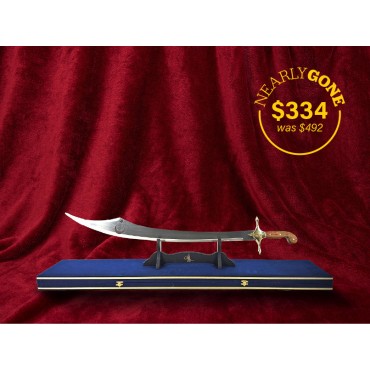
The Kilij: A curved saber with a pronounced flare at the tip known as a "yelman." This design enhanced cutting efficiency, making the kilij a formidable weapon in close combat. The kilij became synonymous with Ottoman warriors and is still admired for its distinct shape and beauty.
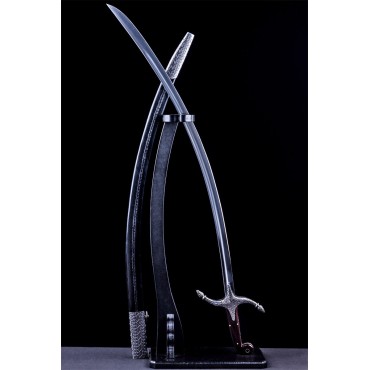
The Shamshir: Originating from Persia but widely used and adapted within the Ottoman Empire, the shamshir features an elegant, deeply curved blade designed for slashing strikes. Its sleek design made it both effective in battle and a status symbol among the elite.
Though the Ottoman Empire ceased to exist after World War I, its swords have left a lasting legacy. Their designs have inspired modern blades, such as Cold Steel’s Scimitar and Shamshir, which reinterpret these historical weapons for contemporary collectors and enthusiasts. The scimitar, often associated with the Arabian world but deeply linked to Ottoman traditions, remains a popular choice for its aesthetic appeal and symbolic power.
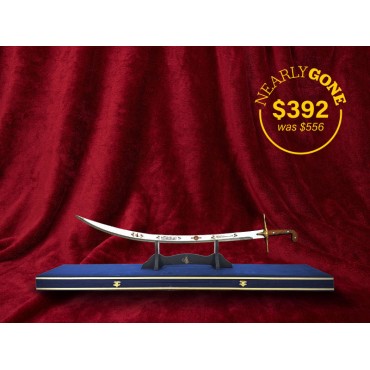
Today, Ottoman swords are celebrated not only for their historical significance but also for their artistry. Ornate details like gold inlays, intricate calligraphy, and jewel-encrusted hilts reflect the empire’s rich cultural heritage. These swords have transcended their utilitarian origins to become prized collectibles and symbols of a bygone era of elegance and power.
We honour this legacy by offering swords inspired by Ottoman designs, including historical replicas and modern interpretations by Cold Steel. Each piece bridges the past and the present, allowing collectors to own a slice of history.